










October 13th was Indigenous Peoples’ Day, a day to honor indigenous culture and history while recognizing the harm of colonization and mourning the death of millions of indigenous people.
Indigenous Peoples’ Day is only publicly recognized by seventeen states and Washington DC, while the majority of the country still celebrates Columbus Day. The switch from Columbus Day to Indigenous Peoples’ Day began in 1989 when South Dakota became the first state to formally recognize the holiday. The change was powered by activists, who aimed to acknowledge the role Columbus had in the violence, oppression, and genocide of Native Americans.
Indigenous peoples still continue to fight for land rights and against violence towards Natives. Indigenous Peoples’ Day is a further step toward progress in addressing the truth of United States’ history. There is still progress society can make to increase awareness, representation, and knowledge of Indigenous culture and history.
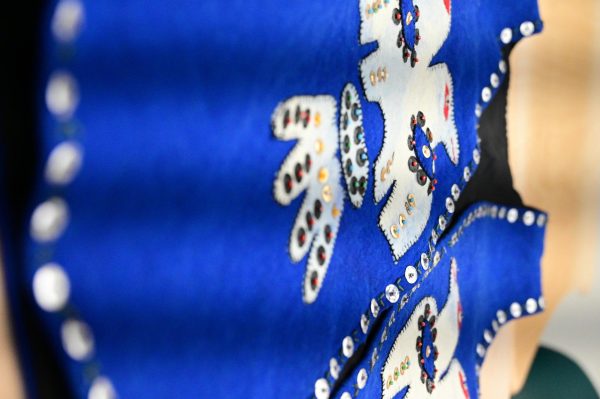
A main focus of Indigenous Peoples’ Day is to mourn the death of over 105 million Native Americans who were killed during colonization. 90%-98% of Natives were killed, making it one of the largest genocides in human history, and one that is not recognized enough in society.
Native American societies flourished before colonization, with complex governments, extensive trade networks, and largely populated cities. “That’s something I believe is important,” said Senior Noa ‘Little Deer’ Stein of the Nanticoke Lenni-Lenape tribal nation. “It’s directly contradictory to the idea that [pre-colonial America] wasn’t heavily populated or we weren’t a developed society.”
Indigenous Peoples’ Day is also a day to honor Native culture, and one way to do that is to listen and honor Indigenous ideas. “I like doing my best to lift and raise Indigenous voices and making sure that I support Indigenous services,” said Grier history teacher Rachael Donghia, Daiz Koo, of the Tlingit and Cree Nations. Mrs. Donghia shared that on Indigenous Peoples’ Day she likes to talk about her tribe and culture, leave offerings at her ancestor altar, and connect with family.
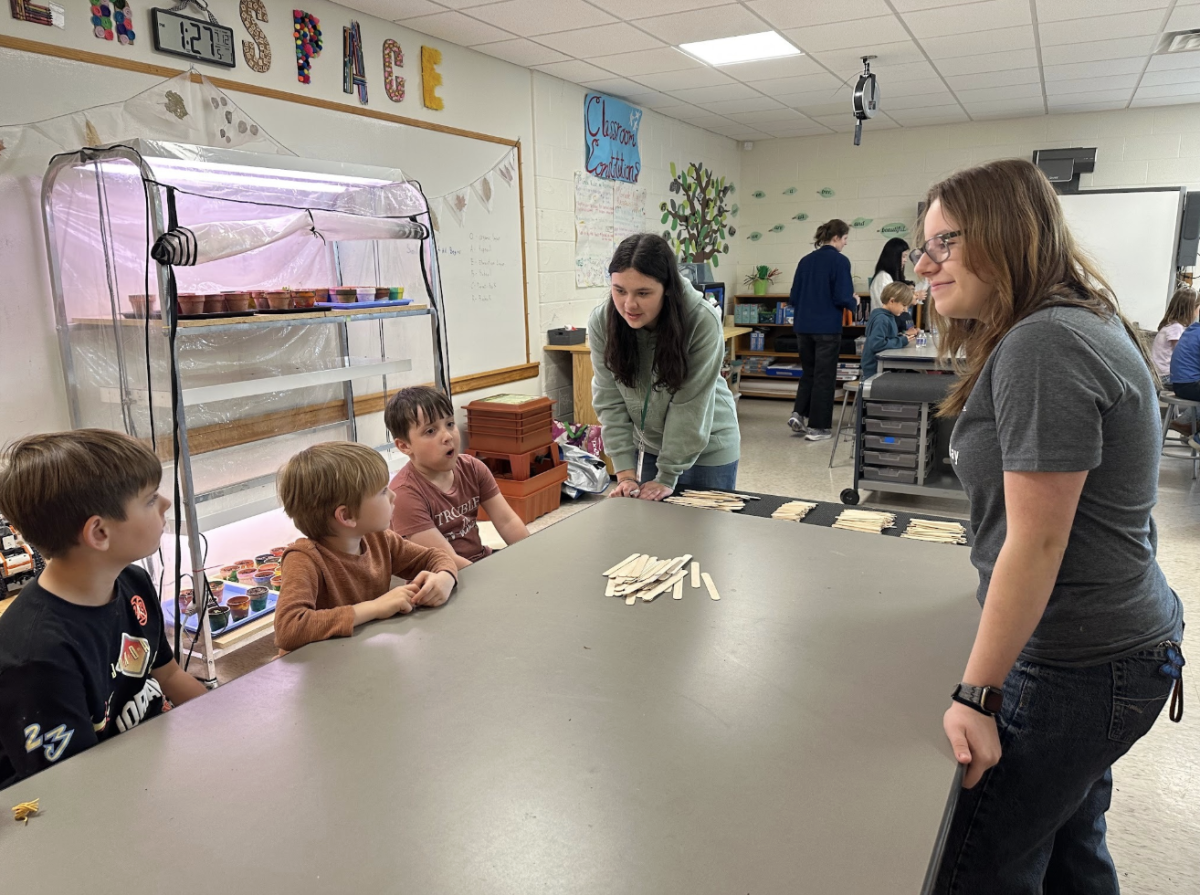
There is a large focus on connecting and sharing about Native culture during Indigenous Peoples’ Day. Stein had the opportunity to speak to fifth graders about her tribe and culture on this day. “I did that in conjunction with their current lesson and curriculum they’re learning, which is about different cultural foods,” said Stein. “So I taught them about the foods of my culture, and it was really great. They were so engaged and interested.” Indigenous Peoples’ Day is a great opportunity to continue to share and expand knowledge on Native culture.
When it comes to greater understanding of Indigenous culture, representation of Indigenous peoples in the media is vital. “I think that representation is incredibly important in books, movies, and TV shows,” said Mrs. Donghia. “I’ve only come across mention of Tlingit once.”
One goal of Indigenous Peoples’ day is to raise more awareness of all Native American nations so that Indigenous people can see representation of their own culture in all different types of media. That is one way to not only build up everyone’s knowledge, but to make all Indigenous people feel more seen. “I think historically Indigenous representation has been really, really lacking or inaccurate in art, in literature, in movies, media and everything,” said Stein. “And so I feel like it’s really significant. Very inaccurate representations can be incredibly harmful to the communities. So I think it’s really important to lift up media and literature that has been created by Indigenous people.”
As a society, everyone can contribute to increasing Indigenous representation by listening to Indigenous voices, and supporting Indigenous works. It is our responsibility to make sure everyone is seen and being treated in a positive way.
Stein talked about the Nanticoke Lenni-Lenape word “làpich knewël” which roughly translates to “see you later.” It embraces the ideology that no one is ever truly gone and that ancestors have a continued presence on the land. The spirits of all the Native Americans killed during colonization are alive and still remembered. We must take Indigenous Peoples’ Day as a day to honor them.
Anybody can help to maintain awareness and appreciation for Indigenous culture simply by being willing to learn. It is so important to understand and appreciate the people around us, and everyday we can make an effort to do that.
One benefit of coming to Grier is you get to see and interact with people from so many different cultures and backgrounds. “I feel like working here, I have more opportunities to reach people and talk about my tribe, which is really important to me,” said Mrs. Donghia. In order to help make a difference, it is our job to listen to, pay respect to, and lift up Indigenous voices.