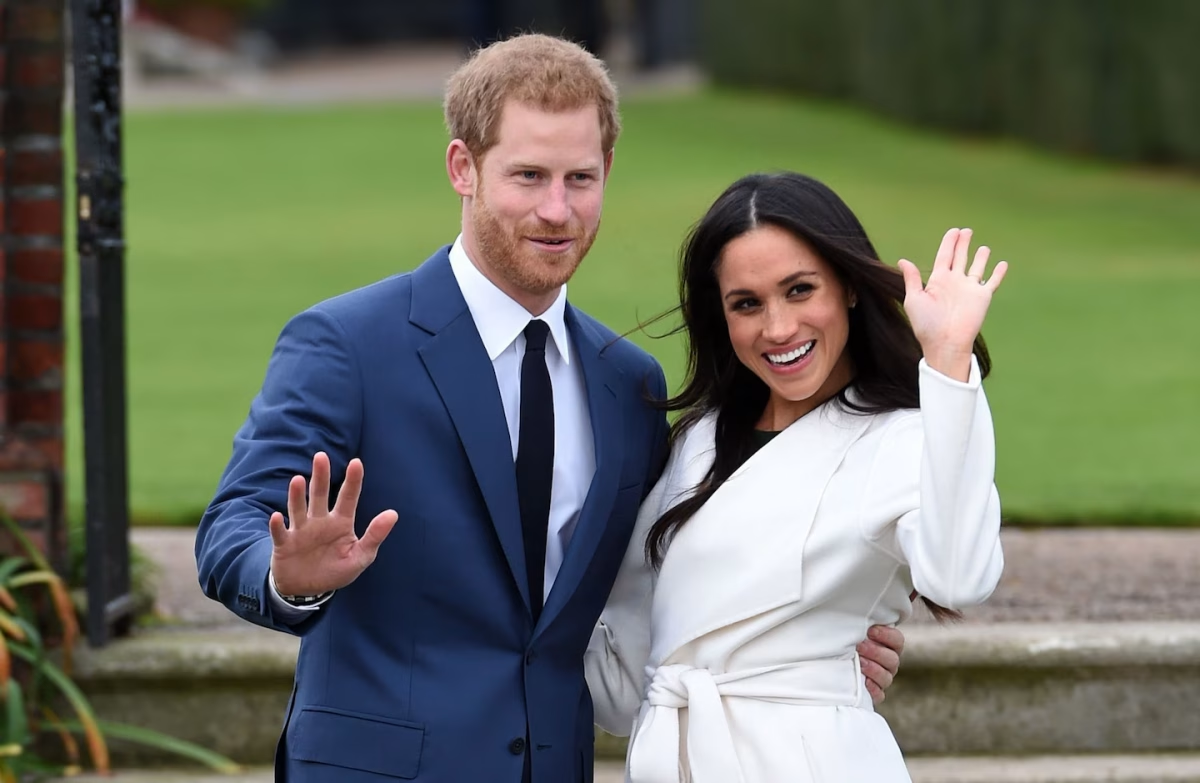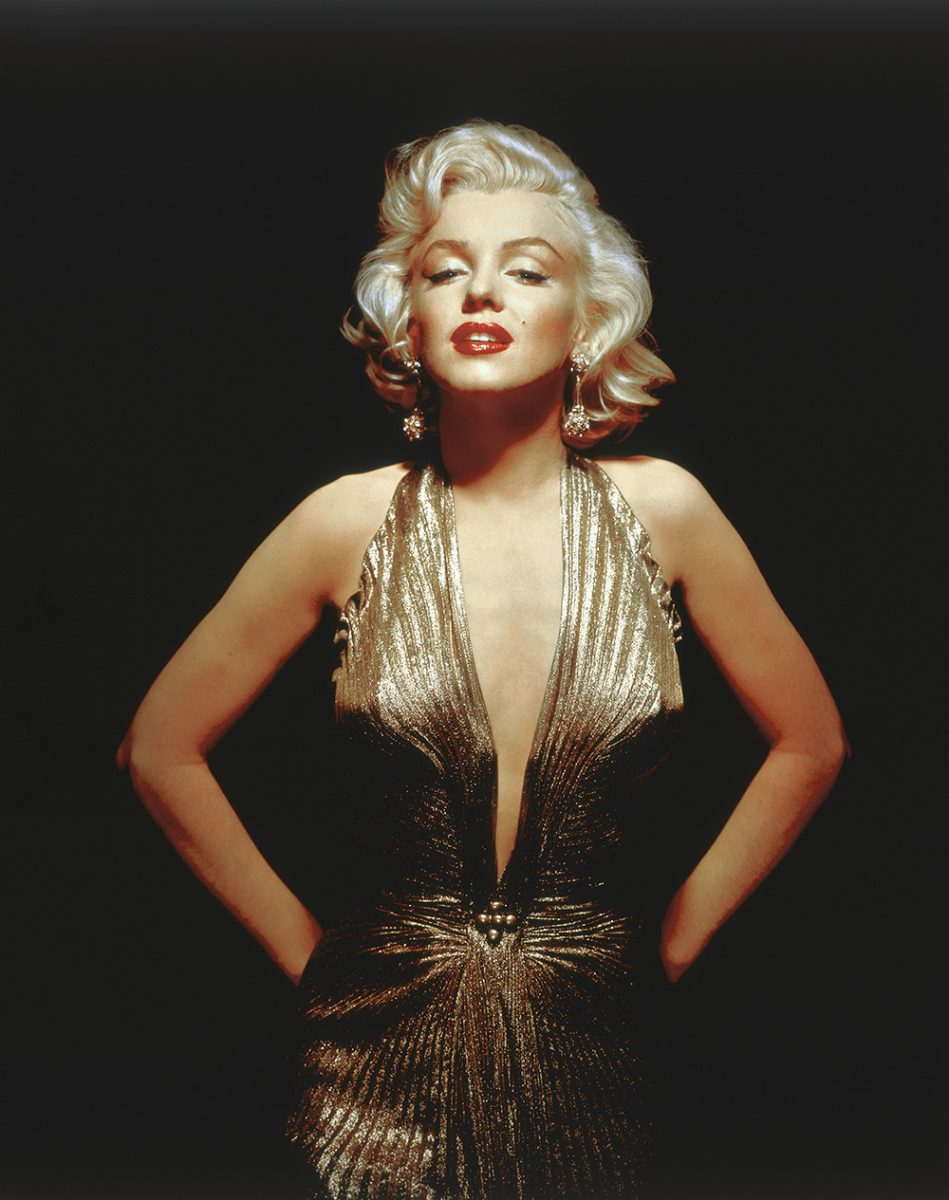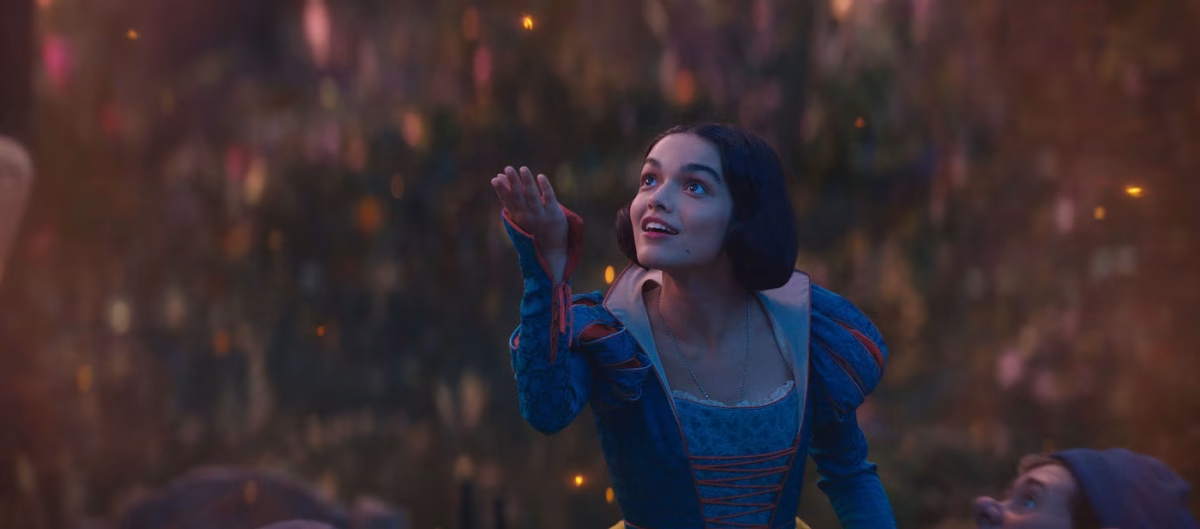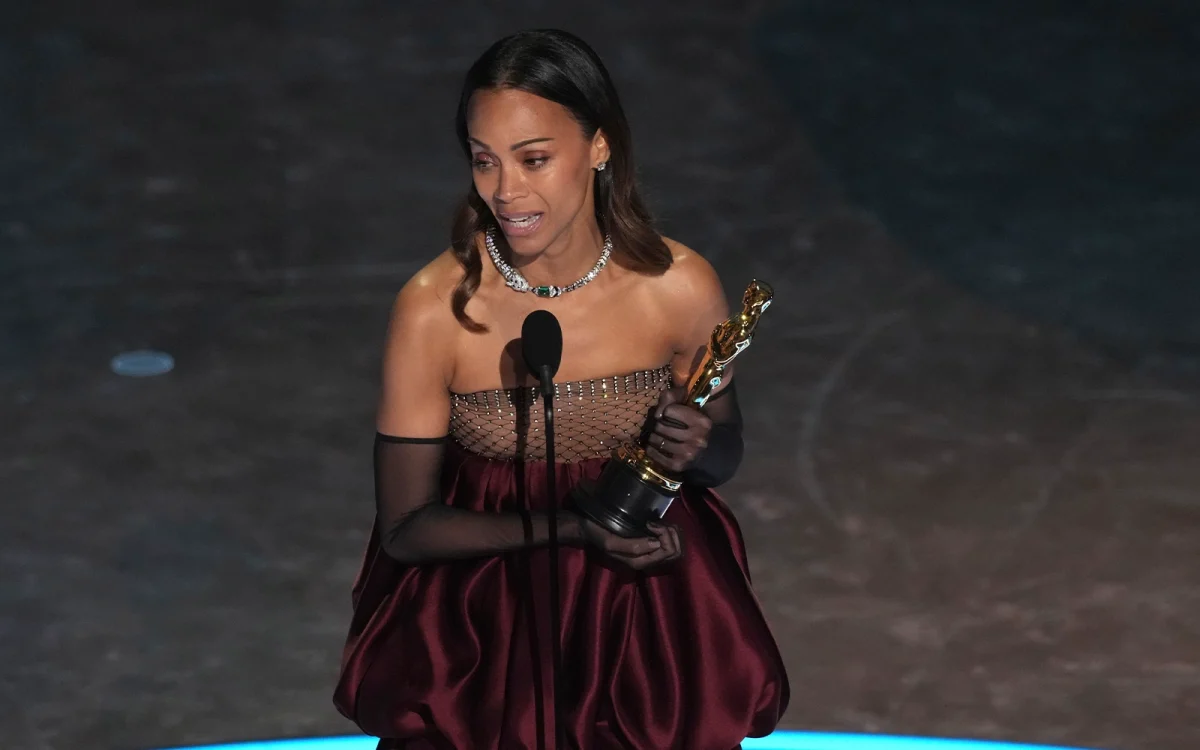





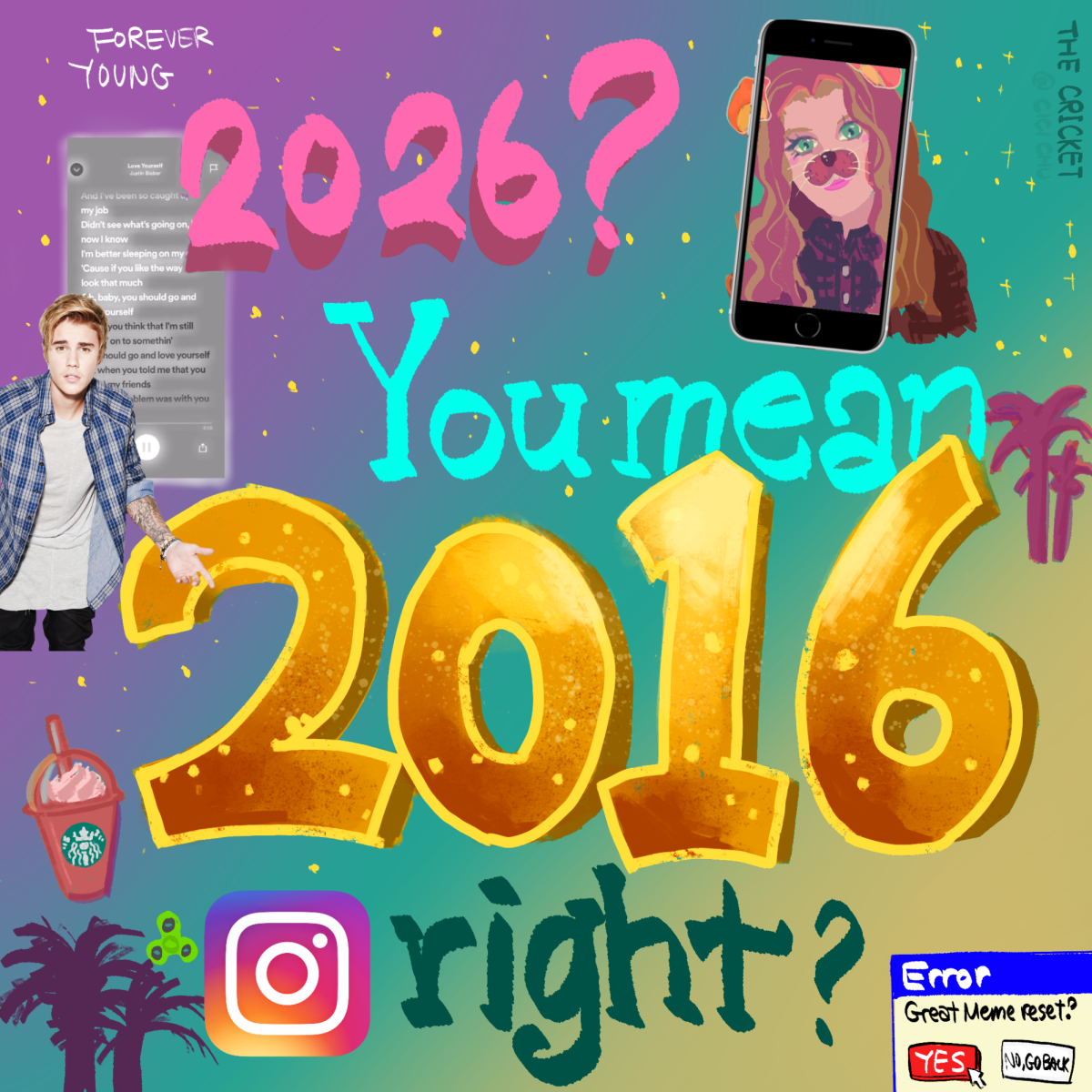

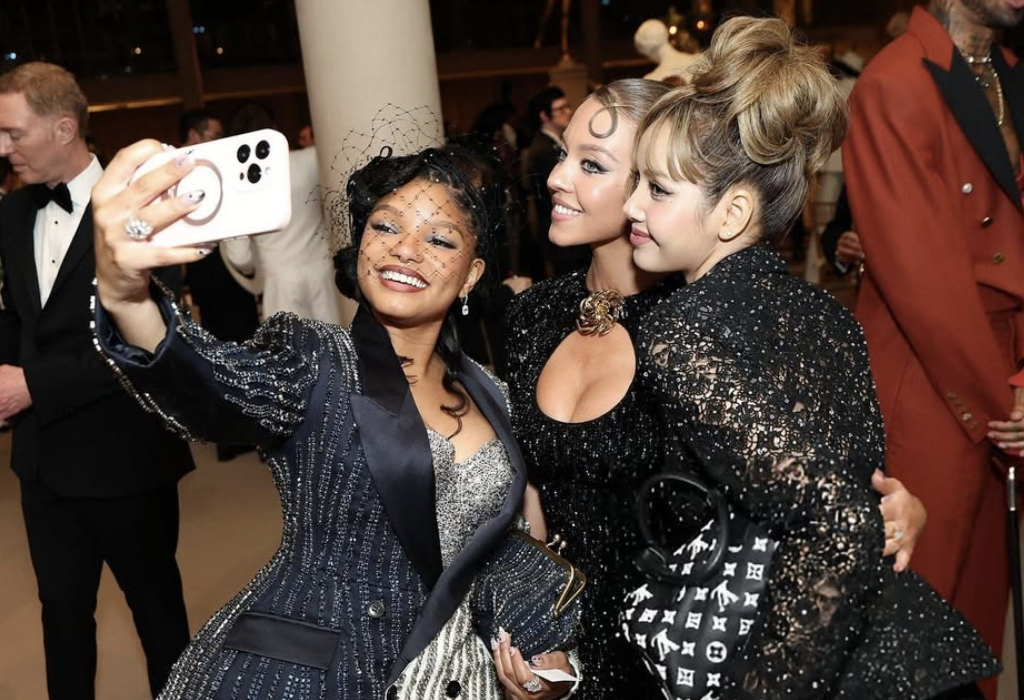

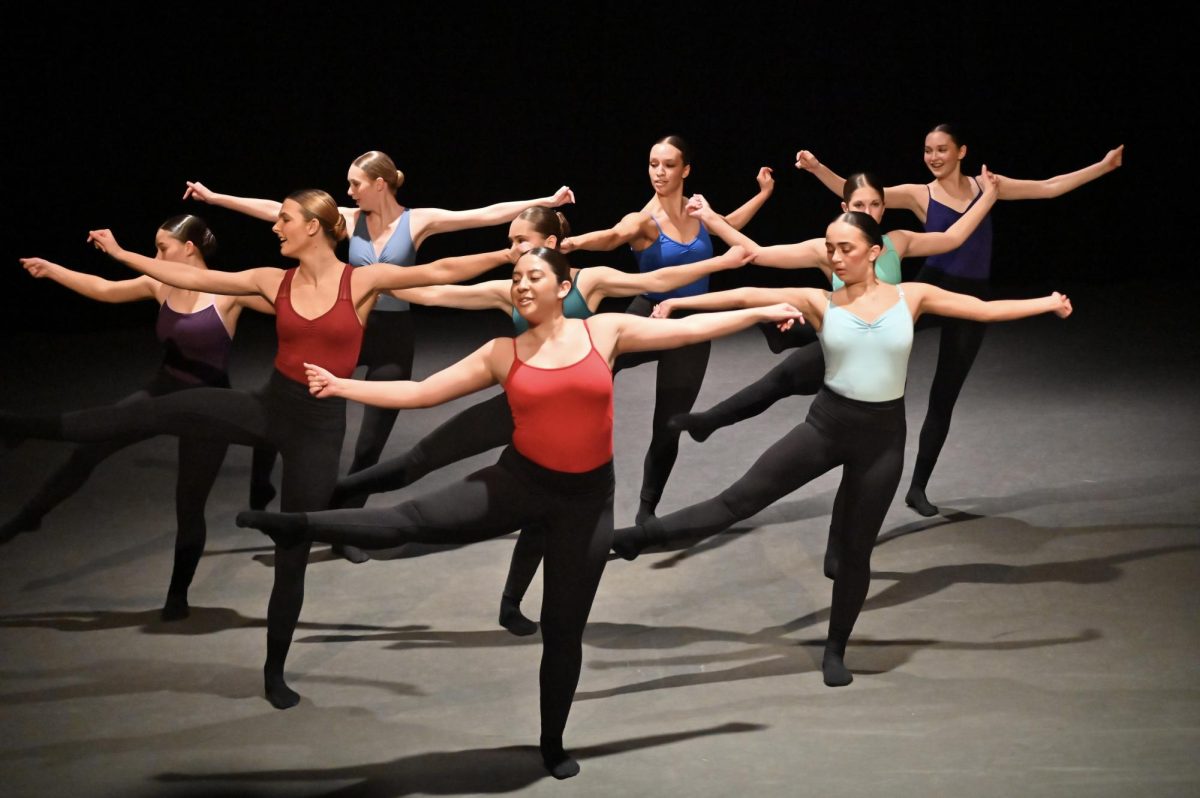



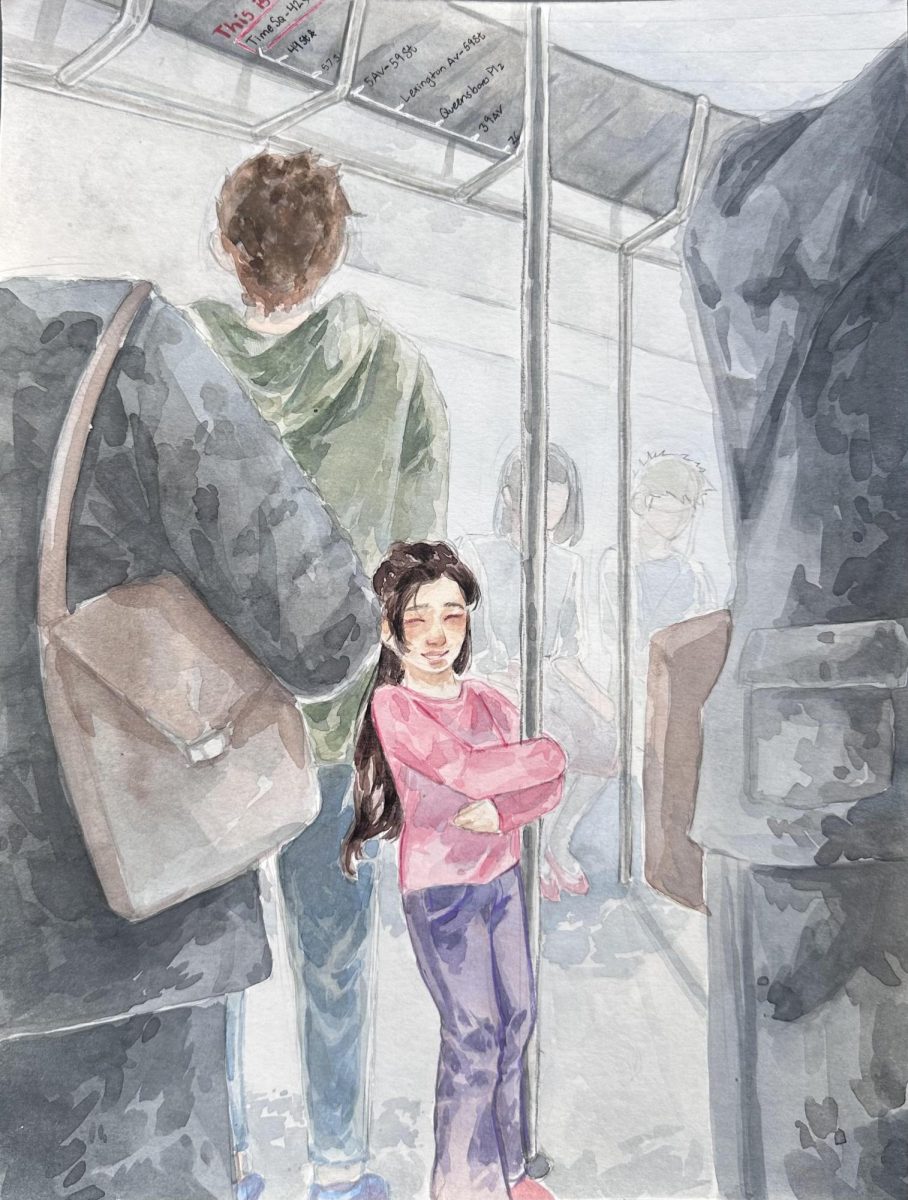
Characterized by its oversaturated photos, obnoxious snapchat filters, and distinct retro style that fills us with overflowing nostalgia, the thought of 2016 gives many a desire to reset the clock. But what is the significance of the phrase “2026 is the new 2016?” Is it just another Instagram trend for aspiring influencers, or does it represent something deeper?
The widespread trend of resetting 2026 back to 2016, like many others, is one that almost every social media user is familiar with. Additionally, it has a presence not only in the profiles of our favorite celebrities, but also on the pages of newspapers—people are desperately curious about the deeper meaning and the validity of constant reminders that “2026 is truly the new 2016.”
In response to the rapid changes and challenges we’ve faced in the previous years, the distinct 2016 color pattern represents a simpler period. Pre-Covid times without widespread misinformation and an increasing use of artificial intelligence seems like a foreign, yet extremely desirable, universe. The year 2016 has become its own aesthetic, rooted in society’s hope for an alternative reality.
With the calendar now reading 2026, memes have evolved and the ways we use social media have changed. The unrealistic ads, deformed puppies, and monotone voices of artificial intelligence flood social media feeds and replace the vibrant hues of poorly edited, but undoubtedly genuine and nostalgic, photos.
With the rise of AI, society as we used to know it seems to have lost its authenticity. Many people have lost hope in creativity and the innovative culture our population represented only one decade ago.
To raise spirits and restore faith in society, the phrase “2026 is the new 2016” was developed. It represents our persistent desire for a simpler life. So, is 2016 really going to be the new 2026, or is it merely a social construct?
For many reasons, it is virtually impossible for 2026 to turn into anything close to what we experienced in 2016. To some earlier generations, who may have lived fast-paced, stressful lives during that era, the thought of time traveling backwards may be daunting. However, in 2016, life really did seem simple to many. For much of Gen Z, it was a time when we didn’t have to think about reality. Jobs were slow or nonexistent, social media served as an outlet rather than a reminder, and school was only an escape from annoying household chores.
The thought of going backwards is one that our generation loves to romanticize. We yearn for simplicity and the joyful thought of sunset-colored, overly saturated photos. But, nevertheless, we cannot move backwards and the era of 2016 is long behind us.
Unfortunately, 2026 is not the new 2016 because of the modern technological changes, constant overflow of misinformation, and media shifts our society has experienced. However, we are connected through our nostalgic desires. The societal wish for an uncomplicated time may spark community and initiate a comeback of colorful, hopeful images, potentially even gluing society back together in an era of uncertainty.