Around 2,000 years ago, during the year 25 CE, the world was a different place. The Roman Empire was at its height, the Han Dynasty ruled China, Hopewell culture was powerful in North America, and the Celtic people began celebrating the festival of Samhain in what is now known as Ireland and the United Kingdom.
The Celts created this festival, traditionally celebrated on November 1st, to commemorate the beginning of the harsher and darker seasons that would claim lives and kill vegetation. On the night before the festival, it was said that the line between living and the dead was at its thinnest, allowing for more interaction between ghosts and the earth. Druids celebrated this auspicious time by surrounding large bonfires to sacrifice crops and animals to their deities, in the hope that their lives would be spared in the coming months. They wore costumes (sound familiar?) of animal skins and attempted to prophesize about their comrades’ futures. To conclude the festivities, they brought flames from the sacred fires to warm their own homes for the rest of the year.
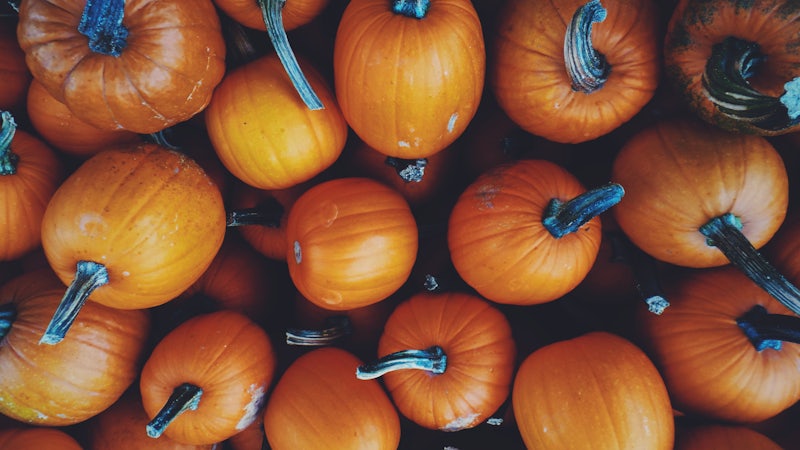
Nowadays, the night of October 31st looks a little different, but one can still spot the similarities. In the weeks leading up to Halloween, we at Grier see student-carved pumpkins lining the sidewalks and buildings, just as the Irish would have carved turnips with the face of “Stingy Jack.” As legend has it, Stingy Jack tricked the devil and was refused from heaven, forced to follow the light of the turnip-lanterns for all of eternity.
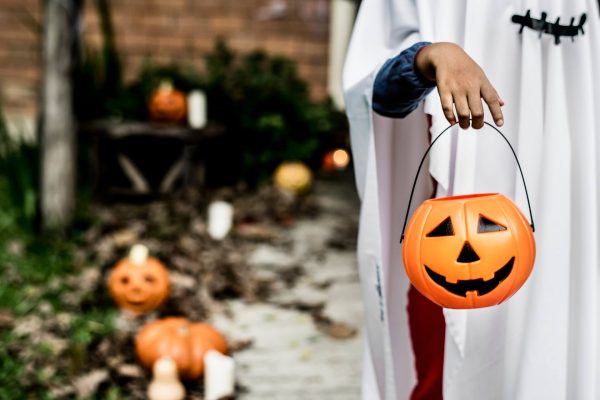
Grier’s annual costume contest is a leftover from Celtic Ireland, when the druids wore costumes to protect themselves from the evil ghosts walking the earth during Samhain. Now, we wear costumes based on movies like Shrek or Hocus Pocus, or pop culture references like the recent Louvre heist. The costumes have become a form of self-expression where we can dress up like our favorite characters to connect with others and observe a tradition started 2,000 years ago with community at its core.
As students travel between Grier housing and dorm floors to fill bags with candy, they reflect poor Scottish children who collected money and food from their local community in exchange for prayers for each others’ wellbeing on All Souls’ Day. Later, the prayers turned into light-hearted “tricks,” hence, “trick-or-treat.”
The apple cider we all enjoy in the dining hall this time of year harkens back to the Roman Pomona festival, which honored the goddess of fruitful abundance and agriculture with an older form of bobbing for apples. This tradition became intertwined with Samhain when the Romans conquered the Celts in 43 AD. Now, apples have become a major symbol for fall and Halloween on campus, as seen with the caramel apple fountain at Parents’ Weekend.
Marie Tussaud’s waxen figures in her “Chamber of Horrors” gave way to the modern tradition of haunted houses, which have become intertwined with Halloween. The Grier girls experienced their own haunted house this year, thanks to the hard work of NHS students who created one in Cardinal Cottage. As Grier girls climbed the stairs in Cardinal, they had no idea what was in store at the NHS haunted house. While they traversed the first dorm room, the uncanny alma mater and ghost graduates frightened guests to the extreme. The witches and medical rooms featured still more horrors, and the clown room ended the experience with such a fright that even some of the tour guides couldn’t resist the urge to scream.
So, as we enjoy more wonderfully horrible Halloweens at Grier, we can also look through history to see how far we have come.