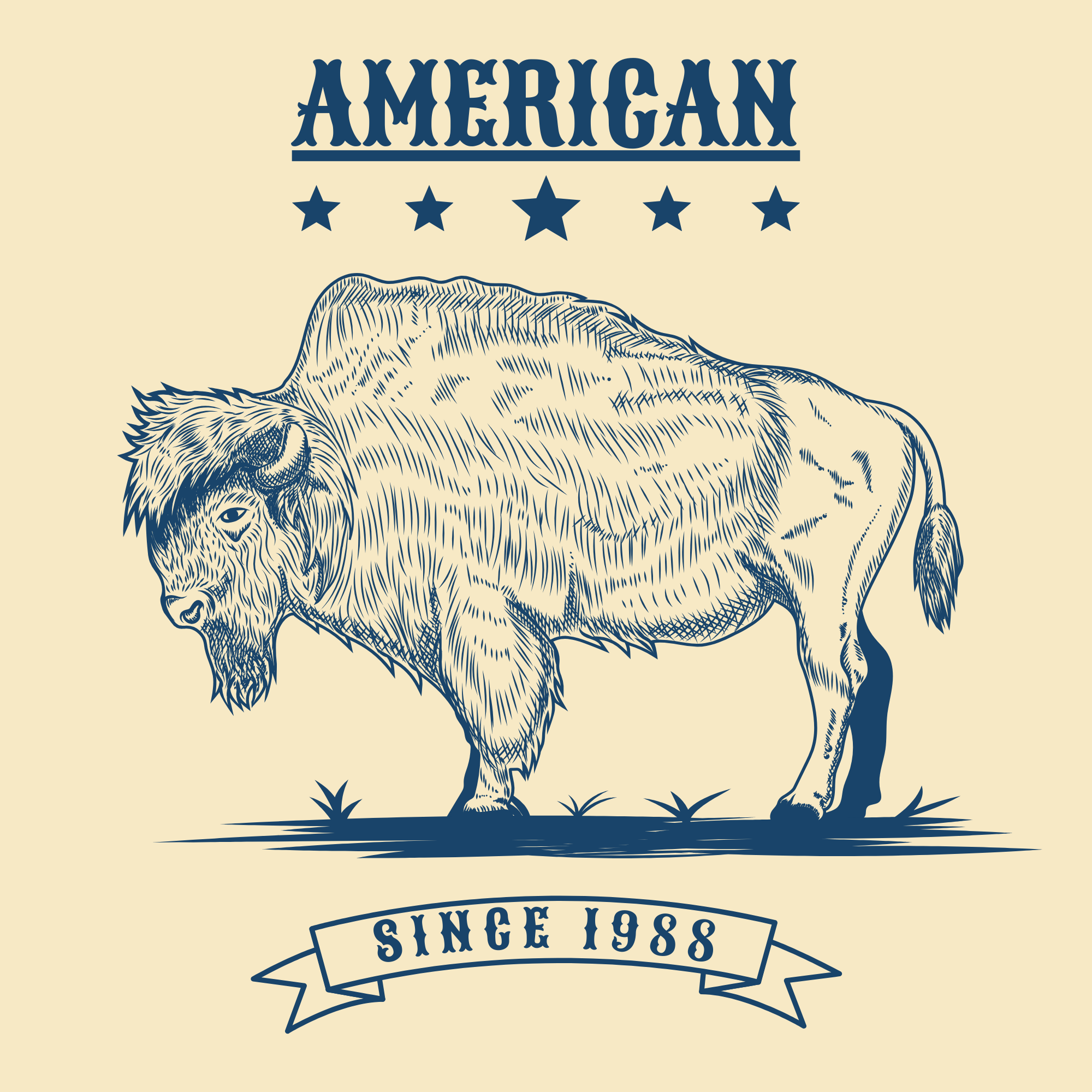
After nearly 200 years of being absent from the Illinois plains, bison are returning back to the state. It was the industrial revolution that “exiled” the bison away from their habitat, and according to Robert Wapahi, a tribal elder of the Santee Sioux tribe, the tribe understands that it was originally the bison’s home, not the human’s. Due to land management and environmental protections, there are finally enough Bison in the United States to return a small herd to Illinois.
The bison arrived in a caravan of trailers and were met by members of the American Indian Center. The American Indian Center used to tell the next generation the story about bison in this part of the country as if they were almost imaginary animals, like a unicorn. “If nothing else, it’s the history lessons about what should be done to protect them,” said Wapahi.
The tribe appreciates what the bison has provided them in terms of the environment. The Wapahi family mentioned how the migration of the bison is personal to them and historically critical, so everyone from children to the older generation was thrilled to welcome them.
According to CBS News, The American Indian Center will lead the herd in partnership with Kane County Forest Preserves and a competent herd manager to ensure that the animals are nurtured successfully and stay away from harm. They aim for the bison to be freed into a larger prairie area in the spring, where they will help restore native grasslands and be the driving force to impart cultural lessons within the prairie environment.
In “Apocalypse Never: Why Environmental Alarmism Hurts Us All” by Michael Shellenberger, he contends that environmental alarmism is currently counterproductive. It is driven by ideology rather than science, and that technological progress—specifically nuclear power, high-density farming, and industrial development—is the best way to protect nature and improve human life.